
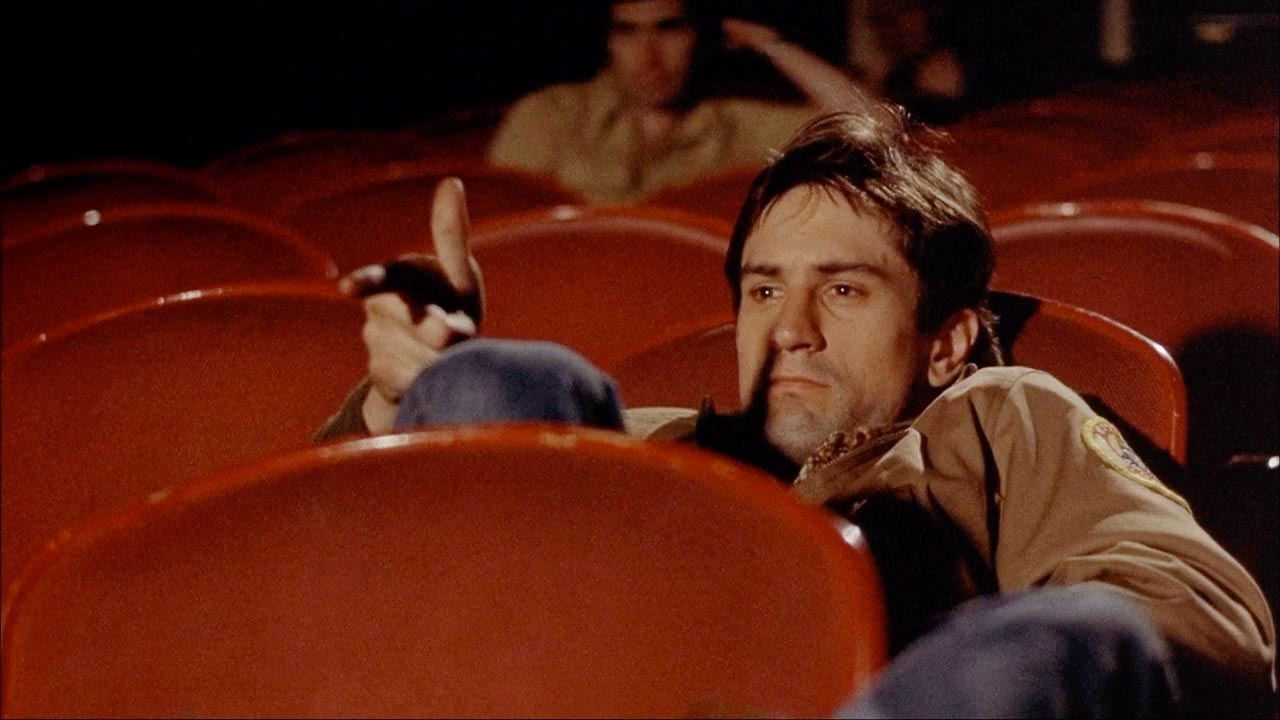
Some of the most common and unanimously enjoyed activities around the globe are watching either a film or a play in theatres. Both have a shared characteristic, being surrounded by strangers in a packed room and reacting at the same time, laughing, crying, or screaming at the screen from excitement. This act of synchronization is rarely found between huge groups of people at the same time. Theatre does provide this extra boost of entertainment with the addition of breaking the barrier between both audiences and performers. It creates a stronger, more emotional bond to the story and its characters, which makes us care more about what we are experiencing. Both forms of entertainment have been extremely popular in recent years, each having their own benefits, however both were severely affected by the pandemic. This has caused a huge shift in how they are presented to consumers.
As the vaccine against COVID-19 became more accessible, restrictions were slightly lifted, with some places reopening after being shut down for the past year and a half. Theatres can no longer hold the capacity they used to, only filling up around half of their seats in order to maintain social distancing. While most of them require masks to be kept on, many are still hesitant to go watch a film with a big number of strangers around them. Even though the cinema experience shared and felt with others is not exactly the same, we can still find a source of connection with others.
Theatre on the other hand took a bigger hit than the cinema, since the latter can have an alternative even if it isn’t as entertaining as the movie theater experience. In theatres, breaking the screen barrier between audience and performers becomes highly hindered. Audiences can no longer stay after the show to talk to performers, take photos with them, or send them flowers without causing a source of paranoia. Theatres don’t only host plays; it can be a stage for different forms of art, making it a rich medium. However, during the course of the pandemic, alternatives to hold these events saw the light of day, with many musicians such as Run The Jewels doing virtual concerts where you buy a ticket and watch it online, as if it was a YouTube video. Open-mics were held on zoom, even now while slowly going back the number of people is highly restricted compared to what it used to be.
Apart from the pandemic, Lebanon faced several problems in addition to what the rest of the world witnessed, including all sorts of crises. Going to the cinema, which used to be a cheap and reasonably priced escape, lost its popularity. Tickets’ prices have spiked, with for instance Vox Cinemas charging 65,000 L.L. for a ticket to the recently released Spencer, while people would also end up spending almost the equivalent amount on snacks. Compared to other activities, those two or so hours could be spent in a more cost-efficient way because it’s easier now to have access to films through streaming services, going the traditional route of buying DVDs, or downloading movies through torrent sites. This sort of entertainment is no longer a go-to preference for people, except for those that hold higher appreciation for movies and the experience itself.
Streaming services started to take over the film industry before the pandemic with Netflix on the frontline. When the whole world shut down, people staying at home for days turned into weeks, and enjoyed spending their time streaming films, shows, and even stand up comedies, all from the comfort of their own home. This shift in daily activities and high user consumption gave those services an incentive to start innovating more, dedicating even higher budgets to projects that are exclusively on their platforms. With the services providing an easily accessible alternative to attending movie theatres, multiple locations had to shut down due to the economic pressures of the pandemic and being unable to provide the service in Lebanon. Till today, with restrictions being removed, production companies are still hesitant to screen films in theatres due to the high risk they are facing of ending up with a small return. Nonetheless, despite the hype and use of streaming services, cinemas still have hope with Marvel studios taking the first initiative in this direction of going back to the traditional form of film release. Upon the release of multiple films that didn’t reach the box-office expectations since they are being released in theatre and online at the same time, Marvel released Shang-Chi and the Legend of the Ten Rings exclusively in theatres with a window of around 2 months before dropping on streaming services. Regarding the results, it was a huge increase compared to all previous releases and a pivotal turning point for movies post lockdowns, where it generated over $400 million all over the world, pushing companies to no longer postpone release dates and exclusively release all new projects in the cinema. If you’re a film or theatre fan, the industry is far from extinct. Streaming services will never completely fill the gap, and the old form of expression will be back.
Edited by Maria Noujaim